Heat press and screen printing are two popular methods for creating custom designs on various surfaces, such as t-shirts, bags, hats, and more. Both methods have advantages and disadvantages, making it challenging to determine which is better. Heat press machine reviews amazon might be helpful, but knowing the pros and cons of each method can help you make an even more informed decision. This article will compare heat press vs. screen printing to help you understand their differences and choose the best method for your needs.
Understanding Heat Press and Screen Printing
Before we dive into the pros and cons, let’s first understand what heat press and screen printing are.
- Heat Press: Heat press, also known as heat transfer printing, transfers designs onto different surfaces using heat and pressure. A design is printed onto a special paper called transfer paper and then transferred to the surface with the help of a heat press machine. This method is widely used for creating custom t-shirts and other apparel.
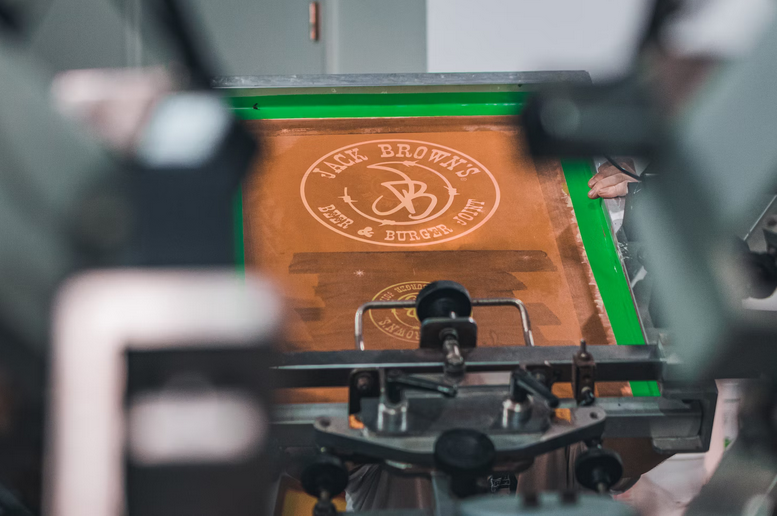
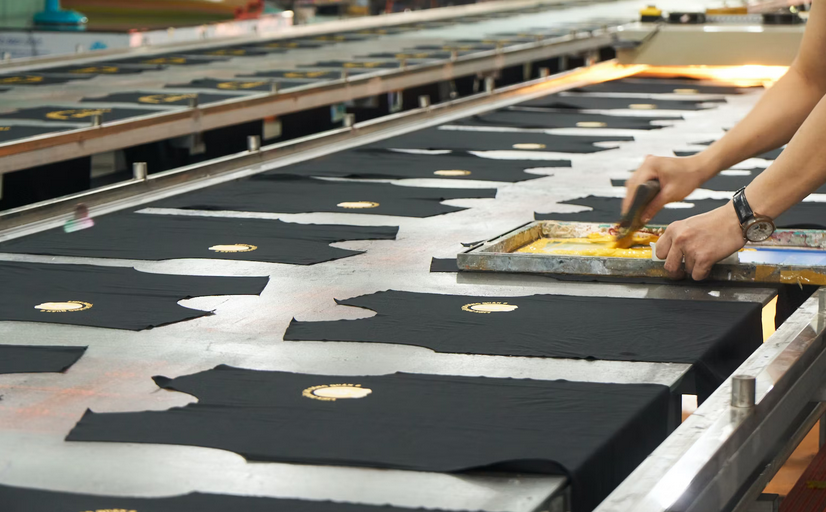
- Screen Printing: Screen printing, also known as silk screening, is a traditional method of printing designs onto various surfaces by pushing ink through a fine mesh screen. A separate screen is created for each color in the design, and the colors are layered on top of each other to create the final design. This method is commonly used for printing on fabrics, paper, and other materials.
Pros of Heat Press
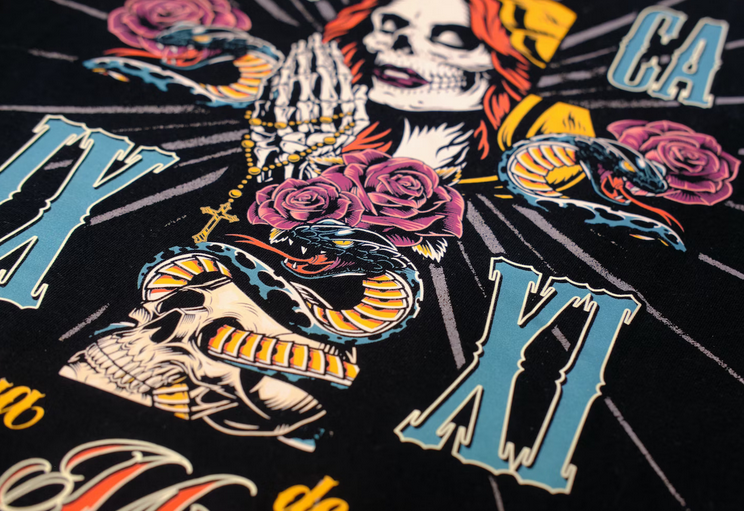
The most significant advantage of the heat press is that it allows for more intricate and colorful designs compared to screen printing. With a heat press, you can easily print designs with multiple colors, gradients, and even photographs. It also works well on various surfaces, including cotton, polyester, and blends. Furthermore, heat press is a relatively simple process that requires minimal setup time and equipment. You can achieve high-quality results with just a heat press machine and transfer paper, making it a cost-effective option for small businesses or individuals.
Cons of Heat Press
One major disadvantage of heat press is that the designs may not last as long as those created through screen printing. The ink used in a heat press can fade or crack after several washes, especially if not applied correctly. Additionally, heat presses may not be suitable for larger orders as it can be time-consuming to transfer designs one by one.
Pros of Screen Printing
Screen printing is known for its durability and longevity. The ink used in screen printing bonds well with the material, making it more resistant to fading or cracking. This method is ideal for large orders as it allows for quick and efficient production of multiple items. Additionally, screen printing offers more versatility in terms of color options and special effects, such as metallic or glitter inks.
Cons of Screen Printing
One major disadvantage of screen printing is the setup process. Creating separate screens for each color can be time-consuming and expensive, making it less practical for small orders or one-time designs. The equipment used in screen printing, such as the squeegee and press, can also be bulky and challenging to set up. Furthermore, screen printing may not be suitable for intricate designs or photographs.
Heat press and screen printing each have their strengths and limitations, catering to different printing requirements. By understanding their pros and cons, you can make an informed decision, selecting the method that aligns best with your specific printing needs and priorities. So, whether you lean toward the versatility of heat press or the durability of screen printing, let your choice be guided by your printing goals.