Economic uncertainty is something every business must face. Whether it comes from market volatility, global events, or changing consumer behavior, unpredictability is unavoidable. The strongest companies don’t just survive these times. They adapt and thrive. Building a resilient business model means creating a foundation that can endure challenges while remaining flexible enough to seize new opportunities. To give you the whole picture, the Anglo Teck merger is a clear example of seizing merger opportunities in the midst of uncertainty. Again, it’s not about eliminating risk but about managing it intelligently and sustainably.
Understanding the Nature of Uncertainty
The economy moves in cycles, and uncertainty is part of that rhythm. There will always be highs and lows, and no business is immune. Successful companies accept this reality instead of resisting it. They anticipate change, study trends, and prepare for different outcomes. By understanding that instability is inevitable, leaders can make more informed and calm decisions when challenges arise.
Prioritizing Financial Stability
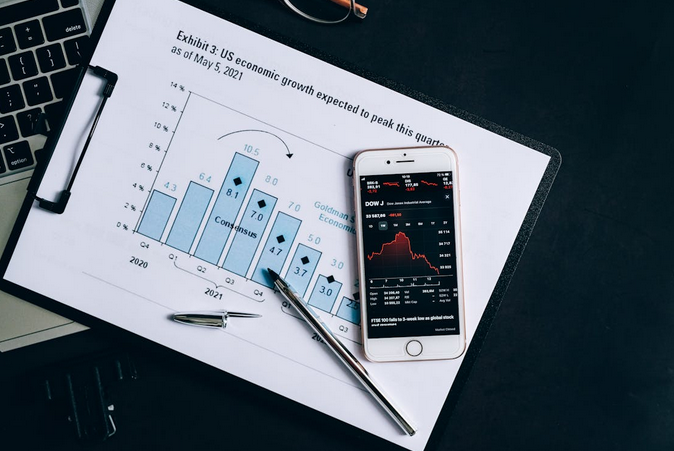
Cash flow is the lifeline of any business, especially in unpredictable times. Resilient companies maintain financial discipline by managing expenses carefully and keeping healthy reserves. They evaluate investments with caution, balancing ambition with prudence. This stability allows them to act decisively when opportunities appear, rather than reacting out of panic. Maintaining liquidity ensures flexibility, a key factor in surviving economic shocks.
Diversifying Revenue Streams
Relying on one product, market, or client can be risky. When conditions change, that dependency becomes a vulnerability. Successful businesses diversify to reduce exposure. They explore new markets, expand service offerings, or introduce complementary products. This strategy spreads risk and opens doors to growth even when one sector slows down. Diversification, when planned carefully, strengthens a company’s long-term position.
Focusing on Core Strengths
During economic instability, clarity of purpose becomes more important than ever. Businesses that know their core strengths can prioritize what truly matters. Instead of stretching resources too thin, they double down on what they do best. This focus enhances efficiency and builds customer trust. A resilient company is one that knows its identity and uses it to stay steady amid turbulence.
Investing in People and Culture
A business is only as strong as its people. Resilient companies prioritize their teams, ensuring they are equipped, supported, and motivated. Open communication, transparency, and empathy go a long way during uncertain times. Investing in employee development and well-being pays off through loyalty and productivity. A strong internal culture becomes the anchor that keeps a business grounded when everything else feels uncertain.
Embracing Innovation and Technology

Technology offers powerful tools for resilience. From data analytics to automation, innovation allows businesses to adapt quickly and operate efficiently. Companies that embrace technology can pivot faster, understand customer behavior better, and identify emerging opportunities sooner. Innovation doesn’t always mean radical change. It can also mean finding smarter ways to do what already works. Agility, supported by technology, ensures long-term competitiveness.
Focusing More on What Customers Need
In uncertain times, understanding customer needs becomes even more critical. Their priorities and spending habits shift, and businesses must evolve accordingly. The most resilient companies listen closely, respond quickly, and maintain trust through consistency and value. By keeping the customer experience at the center, businesses create stability even when external conditions fluctuate. Strong relationships often outlast tough economic periods.
Planning for the Long Term
Short-term decisions may provide quick relief, but lasting success comes from long-term thinking. Resilient businesses plan beyond the crisis. They analyze lessons learned, adjust strategies, and continue to invest in future growth. This mindset transforms uncertainty into an opportunity for reinvention. While others focus on survival, these companies position themselves for the recovery phase ahead.
Economic uncertainty will always test the strength of a business. The companies that stand out are those that combine flexibility with strong foundations. They manage risks without losing sight of their vision and adapt to change without compromising values. Resilience is not just about weathering the storm. It’s about learning to navigate it with confidence and purpose.